
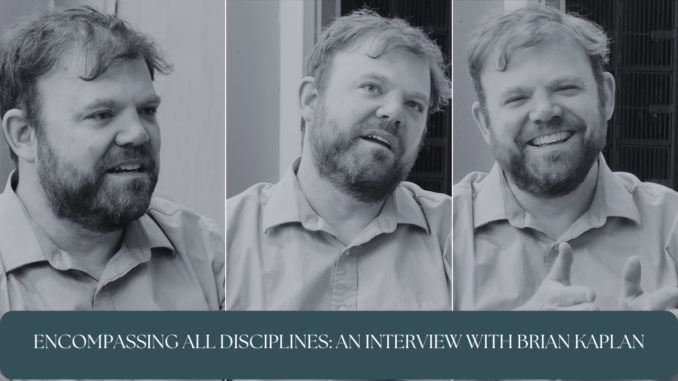
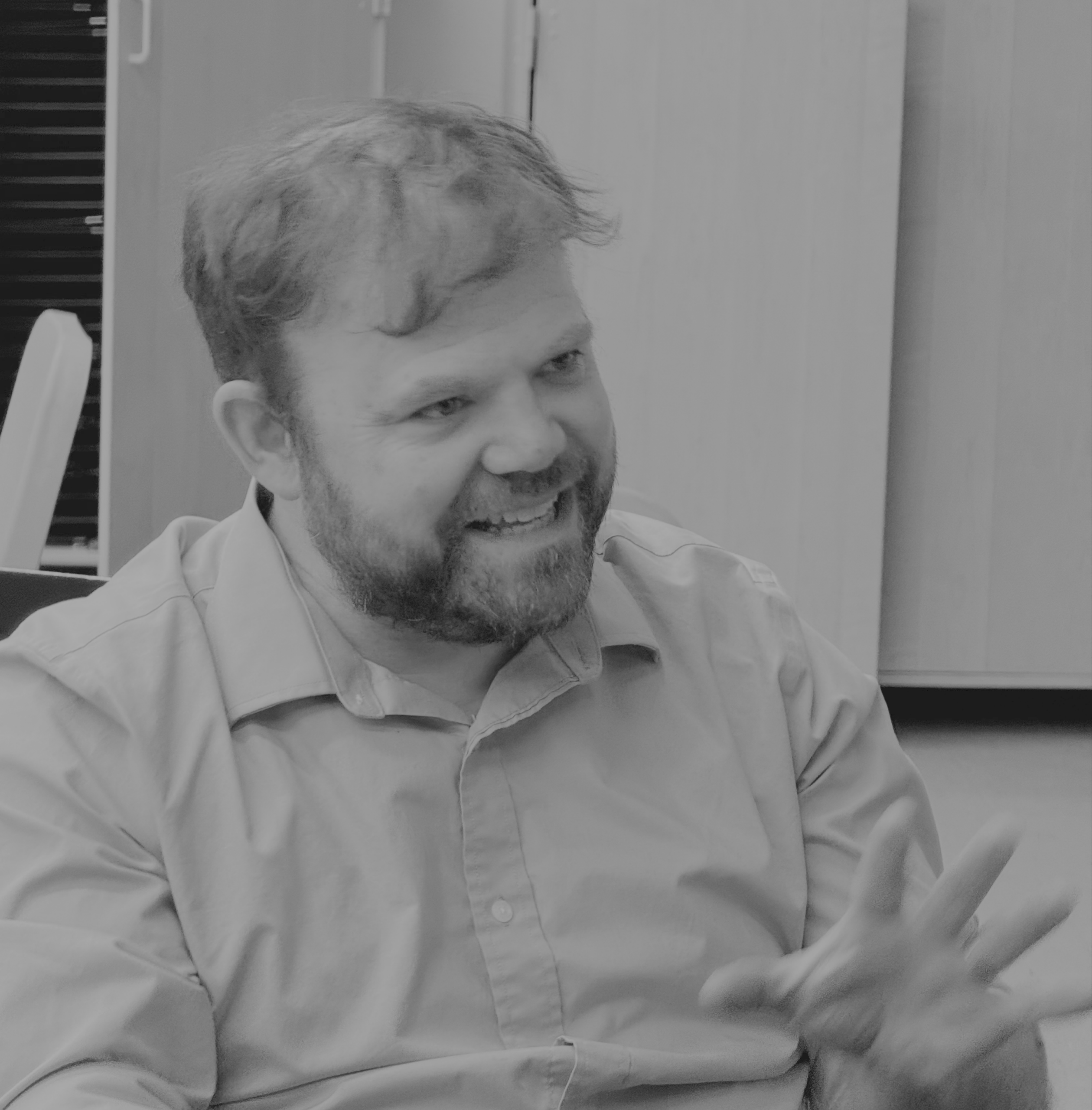
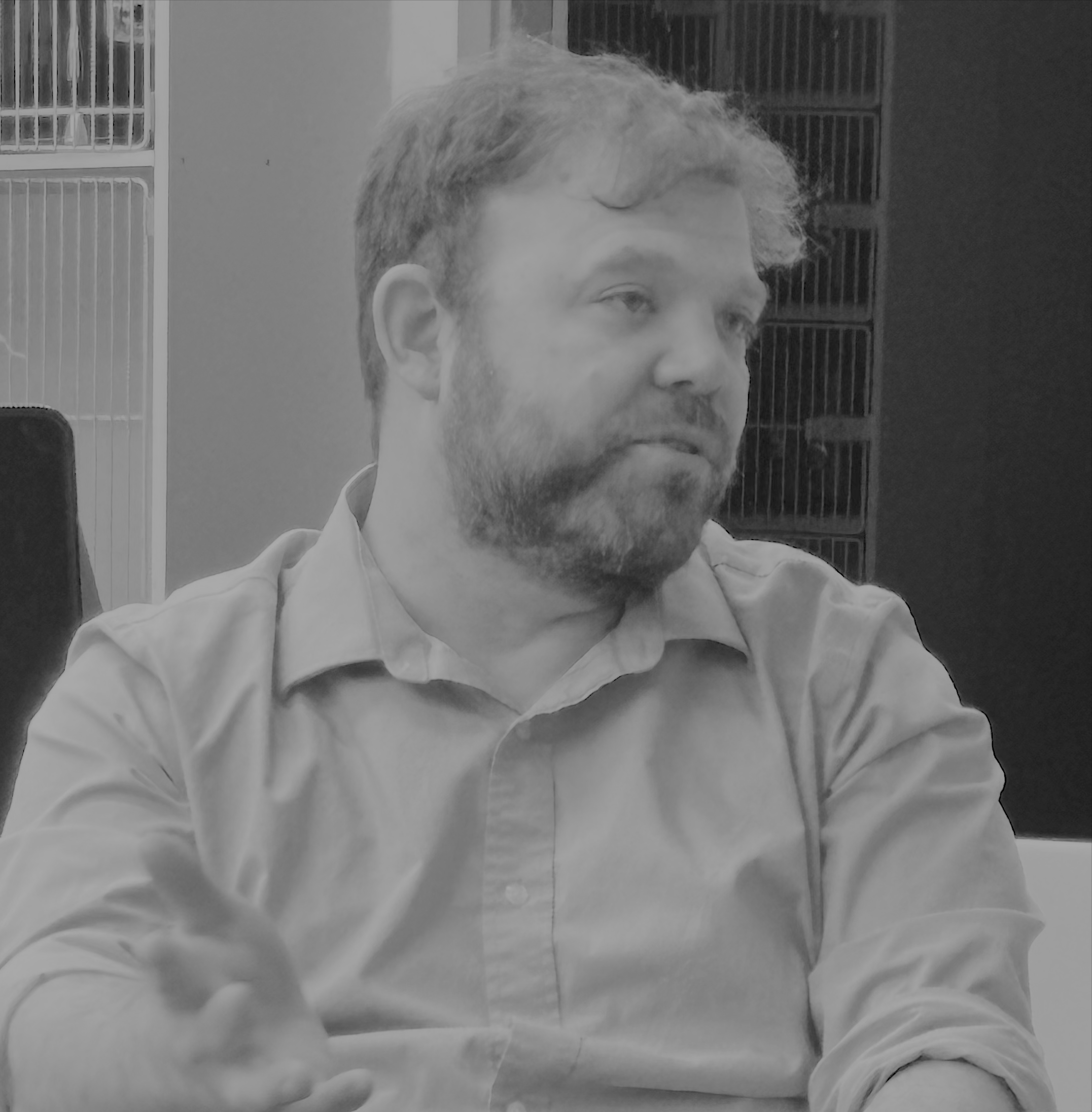
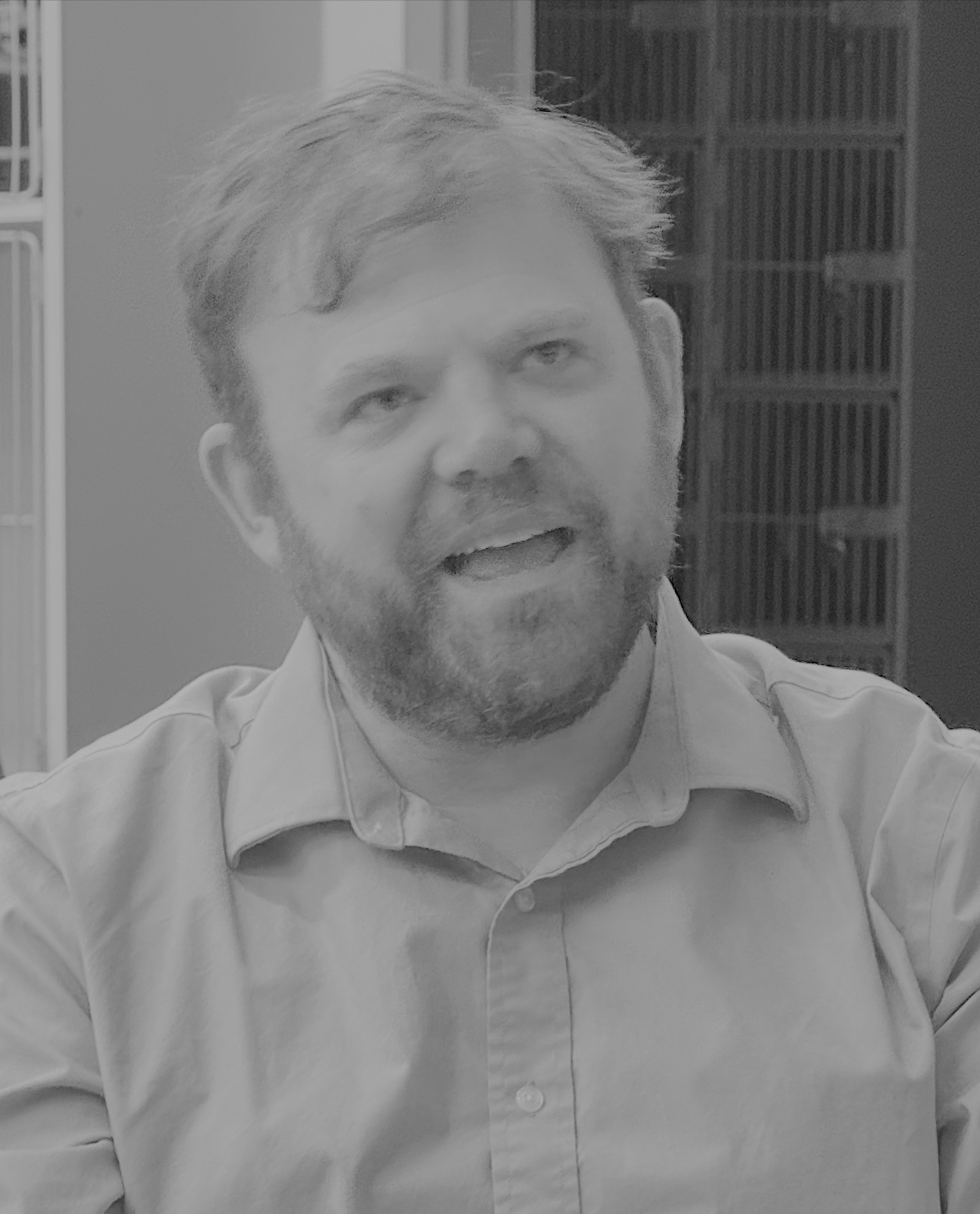
Students are often shocked to see their teachers outside of a classroom setting. Of course, it’s no surprise that educators have lives beyond their jobs; nevertheless, it inspires an almost uncanny feeling. This is not the case with Mr. Brian Kaplan, whom I saw perform last summer at Indian Ladder Farms. He played a multitude of songs from his band, the Brian Kaplan Band, which sent me down a Spotify rabbit hole. Combining modern lyricism with the rebellion of alternative rock, Mr. Kaplan’s music seems almost incongruent with his laid-back and humble character. Seeking more information about the man himself, I sat down with Mr. Kaplan in the LGI, surrounded by cascades of music stands and a musical atmosphere.
First question, how long have you been playing with the Brian Kaplan band?
Well, I have been playing under that name since 2001. I’ve been playing out, I guess, semi-professionally since I was 17. And, it’s pretty much been, you know, nonstop. We were in some periods where I’d take breaks for one reason or another, but it’s been pretty continuous since I was 17.
Have you been a part of any other bands between that time and now?
So many different bands. I moved up to this area from Long Island to join a band called Conehead Buddha. We played some major festivals. They invited me to play some trombone with them and I could not say no. One of them was at Jones Beach, where I grew up. It was just like a dream.
That’s so awesome.
Oh, it was so cool.
Yeah, I can’t imagine what it would have been like to do that. What about since being with the Brian Kaplan band? Have you done anything with other bands since then? Like filling in?
One band that I performed with for a while was this band called Rainbow Trout. They were fantastic. They were the kind of band where I sat there on stage just listening to them and forgetting to play. I played in a big band called Keith Pray’s Big Soul Ensemble. And I’ve been in a band called Soul Session for the last 15 years.
That’s awesome. Wow. All right. What is your favorite song that you’ve written?
I have an interesting process. When I’m writing a song, I’m hyper focused on it. Everything is outside of what I’m doing. And then, right after I finish writing this song, I don’t like it anymore. So I’ll start something else. There’s a song, actually, that I recently released called “Harder to Stay,” and I like that song a lot.
I think I’ve listened to that one. I really like that song a lot. I think it’s called “Electric.” I really, really like that one. I love the music video for it as well.
That was my first video. Yeah, I just sat there with a tutorial, just trying to figure out how to do it. And the goal there was to sort of recreate video games that I loved when I was a kid, you know, like Pitfall and Frogger.
Yeah. Yeah, that’s such a cool music video.
Thank you.
Who would you say is your biggest musical inspiration?
Oh, boy. There have been so many. I guess it depends on which decade we’re talking about. I mean, I was always a huge fan of the Beatles, Dave Matthew’s Band, Pearl Jam and REM. Loved REM. I went through a big Cat Stevens phase. Pink Floyd.
Right, absolutely. I’ve definitely heard the influence from bands like Dave Matthews Band and Pearl Jam in a lot of your music. I call it Dad Rock, but I like listening to it because it’s what my dad listens to.
It used to be known as Cool Rock, but now it’s Dad Rock. Whatever.
Who inspires you non-musically?
Ooh. Oh. Um… Well, you know, I have friends that are professional musicians, and I have a very close friend of mine. We put our 1st band together when we were like 16 and he’s always inspired me. He had a lot of confidence and he’d put himself in these amazing musical situations and try many things that I’ve always wanted to achieve. What’s interesting about that, though, is that he has always said that I have been an influence on him, but he’s an influence on me. I know that doesn’t really count as a non-musician, but really, to me, that’s more about attitude and confidence than necessarily the musical aspect of it.
Absolutely.
And that has so much power, like within the songwriting process, but also outside of it. It helps who you are as a person. I’ve always actually liked artists and literature that’s kind of abstract, a little surreal.
I really like that. That’s been very inspirational to me.
Yeah, that’s really cool. What are some ways that you introduce the music that you like to play to the classes that you teach?
Well, one thing that has always been, I think, important, is that what I teach are the things that I’ve experienced as a musician. If I talk about music business, if I’m teaching about that, I’ve done that. I’ve done that for years. So I think I really bring my experience to everything that I teach, whether it’s, you know, musical composition or digital editing or just different genres of music. These are all things I’ve experienced. I’ve played with a lot of musicians professionally, and I really feel like bringing that experience to the classroom. For me, that’s been invaluable.
What made you decide to start playing music in general?
Well, it’s kind of an interesting thing. So, where I grew up in Long Island, everybody played an instrument. And when I was in, I think, 4th grade— and I remember very clearly— I walked into the music room and my band teacher said, “Here, play this.” I was like, whoa, this is so cool. And that was it. There wasn’t much of trying things out. Most of the instruments I learned afterwards were self-taught. But trombone, that just kind of got me going. It was something that I seemed to do naturally well, so I was just pushed and pushed and pushed to do it. Fortunately, it’s something that I actually feel passionate about. Yeah.
We both started with the trombone. Obviously, I didn’t end up continuing with the trombone, but I think that it’s a great instrument to really lead you into music, partially because, you know, it’s when you’re playing in an elementary school or middle school band, you’re between the tuba and the trumpet. And when you’ve got something in the middle like that that has so much range, it’s super helpful in discovering all the different ways that you can create music.
It is. One other thing about the trombone is that, you know, you start off by learning that 3rd position lines up with the bell, right? But then you start to realize, well, it doesn’t always. You have to really listen to what you’re playing to play it. That’s not necessarily the case with other instruments.
Yeah, you have to actually know what note you’re going to play, but with certain other instruments you don’t. Theoretically, you could play the piano without knowing a single note as long as you’re pressing the right keys, but really knowing it requires that extra amount of skill. Did I ask what your favorite genre of music is?
No. Oh boy, there’s so many things that have influenced me. You know, I say jazz and I say blues, and those things are true, but honestly, 90’s alternative rock is it. I mean, that was when I was most impressionable. The Beatles, of course, were influences. At the end of the 80s it was Guns N’ Roses and Aerosmith. But it was Pearl Jam that really changed my trajectory, so I’m going to have to go ahead and say alternative rock.
Absolutely. That’s a really great choice. All right, that’s all the questions I have, but do you have anything else that you would want to say about music or teaching in general?
Well, it may sound cliche, but there are few things that encompass more disciplines than music. You know, to be able to play well. There’s obviously discipline involved with practicing and working in a group, and coordination and some understanding of acoustics and music theory and reading, and there’s math in there, there’s language in there, and there’s so many different aspects to it. I mean, to me, and I might be biased, I think music education gives children a tremendous amount of skills.
Absolutely. Wow. All right. Thank you very much for this interview. This is Dom Tillou with the Blackbird Review signing off.
